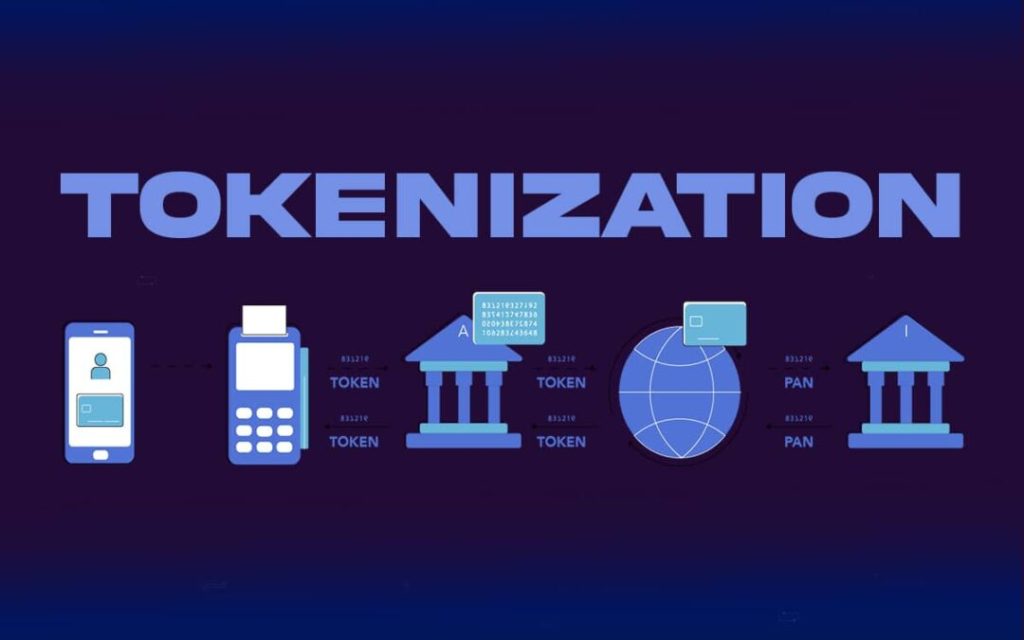
The global financial ecosystem is undergoing a quiet yet powerful transformation, driven by one of blockchain’s most practical use cases: the tokenization of real-world assets (RWAs). By converting tangible assets like real estate, commodities, equities, or even intellectual property into digital tokens on the blockchain, a new era of liquidity, accessibility, and transparency is emerging in 2025. This trend is not merely a theoretical concept. It is actively reshaping how businesses raise capital, how investors access markets, and how financial infrastructure is built across both emerging and developed economies.
What Is Real-World Asset Tokenization?
Real-world asset tokenization involves representing physical or off-chain assets as digital tokens on a blockchain. Each token reflects ownership rights, income streams, or stake in the underlying asset. These tokens are created through smart contracts and can be traded on blockchain-based platforms or secondary markets. This process is creating opportunities for individuals and institutions to invest in assets that were previously illiquid or restricted by geography, high entry costs, or regulatory friction.
A typical example is fractional ownership of commercial real estate. Instead of buying an entire property or dealing with expensive REITs, investors can now own a small percentage of a building through tokenized shares. This shift reduces the capital threshold for participation and unlocks new investment models that weren’t possible within the traditional financial system.
The Economic Drivers Behind Tokenization in 2025
Several global forces have catalyzed the rapid adoption of asset tokenization. First, demand for alternative investment vehicles has grown as inflation, interest rate fluctuations, and currency instability challenge conventional financial models. Investors are seeking ways to diversify portfolios while minimizing exposure to traditional market volatility. Tokenized assets—especially when backed by cash flows or tangible equity—are increasingly viewed as stable, traceable stores of value.
Second, technological infrastructure has matured significantly. Blockchain platforms now offer high-speed transactions, interoperability across networks, and regulatory compliance features baked directly into smart contracts. This has removed some of the biggest historical roadblocks to tokenizing complex assets like real estate or private equity.
Third, the rise of Blockchain development services has streamlined how institutions and startups build these tokenization platforms. With ready access to decentralized finance (DeFi) protocols, identity verification tools, and scalable smart contract frameworks, the barrier to entry is lower than ever. Organizations no longer need to reinvent the wheel to launch tokenized products. Instead, they can partner with the Best Blockchain Development Company to deploy custom or white-label solutions that are secure, efficient, and regulation-ready.
Liquidity and Market Access: The Game Changers
One of the most significant advantages of RWA tokenization is the increase in liquidity it brings to traditionally illiquid markets. Real estate, fine art, private equity, and infrastructure investments are often hard to sell quickly without taking a significant loss. Tokenization breaks these assets into tradable digital units, which can be bought and sold in peer-to-peer or decentralized exchanges with minimal fees.
For investors, this means greater flexibility. For asset owners, it opens the door to capital raising without selling the entire asset. A company owning a logistics hub can tokenize 30% of its equity in that property, raise capital, and retain operational control. Such a model offers a balanced approach between financing and asset management.
Geographical barriers are also disappearing. Investors in one country can purchase tokenized shares of farmland in another region with just a few clicks, using stablecoins or native crypto assets. This level of market access is unprecedented and aligns well with the growing demand for borderless, 24/7 investment infrastructure.
Compliance, Identity, and Trust in 2025
A common concern around tokenized assets is regulatory compliance. In 2025, that concern is being addressed through a mix of on-chain identity verification, whitelisted wallets, and regulatory sandboxing. Compliance rules—such as KYC, AML, and accreditation status—are now enforceable through blockchain-based mechanisms.
Smart contracts can be coded to reject transfers to non-verified wallets, block accounts flagged for suspicious behavior, or report transaction data to relevant authorities. This technological progress has made it possible for tokenization to coexist with national and international legal frameworks, rather than clash with them.
In parallel, blockchain development services have focused on improving digital identity tools. These services allow institutions to validate user credentials in a decentralized, privacy-preserving manner. The result is a financial ecosystem where trust is built into the system—not reliant on intermediaries or back-office paperwork. This has brought a wave of institutional participation that had previously stayed on the sidelines due to legal and security concerns.
Asset Classes Benefiting the Most
The sectors seeing the most immediate benefit from tokenization include real estate, private credit, carbon credits, fine art, and infrastructure. Real estate remains the dominant use case, driven by its global appeal and strong fundamentals. Projects are now tokenizing ownership of office towers, luxury villas, and even rental income streams from residential properties.
Private credit markets have followed closely, especially as banks become more risk-averse. Businesses and individuals in need of loans can collateralize their tokenized assets to receive funding from decentralized lenders or institutional funds operating in tokenized ecosystems.
Meanwhile, environmental assets like carbon credits and renewable energy projects are also being tokenized. This has introduced greater accountability and auditability to ESG efforts. Investors can now directly fund clean energy development or carbon offset initiatives while tracking the impact in real time on the blockchain.
Role of Blockchain Development Companies
The technological and regulatory complexity involved in real-world asset tokenization cannot be understated. Tokenizing an apartment complex or a wind farm requires more than just launching a smart contract—it involves asset valuation, regulatory filings, investor onboarding, custody solutions, and secure transaction rails.
This is where Blockchain development services come into play. These firms provide end-to-end support for everything from smart contract architecture to UI/UX for investor dashboards. More importantly, they build compliance-first systems that embed legal rules into every layer of the platform.
A Best Blockchain Development Company will typically offer integration with oracle services (for price feeds or legal triggers), stablecoin payment support, audited smart contracts, and modular infrastructure that allows tokenized assets to interact with broader DeFi protocols. This level of interoperability is essential, especially for institutions that want their tokenized assets to be used as collateral, borrowed against, or traded in secondary markets.
Secondary Markets and Ecosystem Expansion
Tokenized assets are only as valuable as the liquidity they enjoy. In 2025, the infrastructure supporting secondary markets has grown dramatically. Decentralized exchanges and specialized RWA marketplaces are allowing users to buy and sell tokenized equity, real estate shares, and revenue-generating instruments without lengthy broker approvals.
Moreover, these markets often include automated valuation mechanisms using oracle data, which ensures price accuracy and reduces volatility. Token holders can also stake their assets, receive dividends, or participate in governance structures that mirror real-world shareholder rights.
As these platforms grow, they’re also expanding the RWA ecosystem through partnerships with traditional financial institutions. Custodians, audit firms, and underwriters are getting involved, bridging the gap between legacy finance and decentralized systems. Tokenized bond issuance, for example, now includes legally binding agreements recorded on-chain, underwritten by off-chain institutions but settled digitally.
The Impact on Capital Formation
Tokenization has significantly changed how companies raise capital. Startups and small businesses are now issuing equity or revenue-sharing tokens backed by tangible assets. This offers a compelling alternative to venture capital or bank loans, which often come with restrictive terms or high interest rates.
In parallel, larger firms are conducting tokenized debt issuance, using smart contracts to automate interest payments and maturity terms. Investors can purchase these instruments directly, monitor their performance transparently, and exit via liquid secondary markets.
Such innovations are especially powerful in underserved markets. Small enterprises in regions with limited access to banking infrastructure can now participate in global finance through tokenization. For investors, this means the ability to support and profit from diverse economic activities worldwide, without needing to rely on local intermediaries or suffer high cross-border fees.
Risks and Challenges Ahead
Despite its advantages, tokenization still faces challenges. Regulatory harmonization across borders remains a work in progress. Not all jurisdictions recognize tokenized ownership in legal courts, which can complicate asset recovery in case of disputes. Moreover, poor project design or insufficient audit practices could expose investors to fraud or security vulnerabilities.
The role of Blockchain development services is central here. Well-designed tokenization systems include robust audits, insurance mechanisms, and clear legal frameworks. However, the ecosystem must continue to evolve in how it manages risk and educates users about both the upside and the potential downsides of this new financial model.
Another challenge lies in user experience. For many non-crypto-native users, wallet setup, gas fees, and token transfers are still confusing. Companies that simplify onboarding and provide custodial or semi-custodial options without compromising control will lead in adoption.
Looking Forward
As we enter the latter half of 2025, it’s clear that tokenization is no longer a niche concept—it’s a viable model for modern finance. The convergence of regulation, technological maturity, and institutional trust is setting the stage for massive growth. Tokenized treasuries, gold reserves, intellectual property rights, and income-sharing agreements are all being explored as legitimate financial instruments.
What makes this shift so compelling is its inclusivity. Tokenization is opening financial markets to more people, more businesses, and more regions than ever before. The fact that a user in one country can own, trade, and earn from an asset halfway across the world—in a transparent and secure manner—is a powerful signal of where finance is headed.
This transformation wouldn’t be possible without the foundational work done by Blockchain development services and the expertise of the Best Blockchain Development Company. They are not just building tools—they’re reshaping the rules of ownership, investment, and capital flow in the digital age.
In a few years, we may look back on 2025 as the year when tokenized finance broke free from its theoretical shell and became the infrastructure upon which new financial systems are built. The pace of innovation is accelerating, and those who engage with this ecosystem now will be well positioned to shape its future.
 Blockchain Tech Blogs
Leave a comment